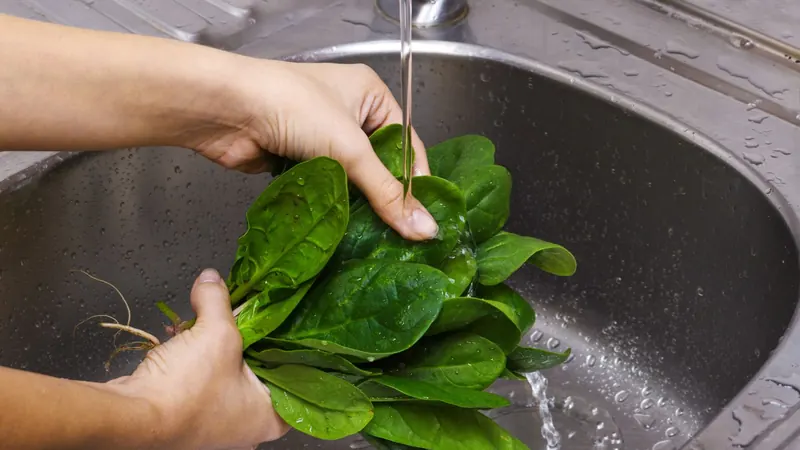
Taco night, a can of black beans in your hand, and a quick doubt: can something this cheap really be one of the healthiest foods in the cart? Then come the usual worries: the salt, the gas, the protein that isn’t “complete.” Only one of them needs anything from you, and it takes a few seconds at the sink.
Quick answer: Black bean health benefits start with a strong pair: about 15 grams of protein and 15 grams of fiber in one cooked cup. That cup also brings a fifth of the day’s iron, which the body absorbs better alongside salsa or peppers, plus folate and magnesium. Canned beans count, and draining and rinsing cuts the salt by about 40%. At well under a dollar a cup, black beans earn the superfood talk.123456
Black bean health benefits: what a scoop does for your family
Black beans do two jobs at once: they bring protein and fiber in about equal amounts. A cooked cup has about 15 grams of each, which is 30% of the Daily Value (the percentages on nutrition labels) for protein and more than half for fiber, in about 227 calories.12 That’s why a bean bowl with no meat in it still brings a serving of protein: the Dietary Guidelines count half a cup of beans as one serving of protein foods, the same as an egg.4
That much nutrition in one food is where the superfood nickname comes from. The word has no official definition; foods earn it when they pack a lot of nutrition into one bite, and by that yardstick black beans more than qualify.7 Here’s how far one half-cup scoop of cooked black beans goes toward a day’s protein and fiber for each person at the table:18
| Who’s eating | Protein from ½ cup | Fiber from ½ cup |
|---|---|---|
| Toddlers (2 to 3) | more than half the day’s | about half the day’s |
| Kids 4 to 8 | about two-fifths | about two-fifths |
| Kids 9 to 13 | about a fifth | about a third |
| Teens | about a sixth | about a quarter |
| Adults | a sixth to a seventh | about a quarter |
Fiber is the one most of us come up short on. The FDA calls it a nutrient to get more of: most Americans don’t get the recommended amount, and diets higher in fiber can mean more regular bowel movements and a lower risk of heart disease.9 Beans are one of the foods the Dietary Guidelines point to for it, and a half cup of black beans carries more than a quarter of the Daily Value on its own.912 All that fiber is also behind the gas worry later in this post, and it has an easy answer.
Iron rounds out the big three, and how much of it the body takes in depends partly on what you serve with the beans. A cup of black beans has about 3.6 milligrams, a fifth of the Daily Value, and the body uses iron to make hemoglobin, the part of red blood cells that carries oxygen from the lungs to the rest of the body.123 Iron from plants is harder for the body to absorb than iron from meat, and NIH notes that vitamin C foods such as tomatoes, sweet peppers and citrus help.3 Black beans have almost no vitamin C of their own, so the salsa, the peppers and the squeeze of lime are doing real work in that bowl. (A side of strawberries works too; the vitamin C numbers are in health benefits of strawberries.) This matters most for teen girls and women with heavy periods, who are among the people most likely to run low on iron, and for anyone in the family who eats no meat, poultry or seafood, since NIH says they need almost twice as much.3
Black beans bring a few quieter extras along with the big three. A cooked cup has about 64% of the Daily Value for folate, the B vitamin the body uses to make DNA and new cells, and 29% for magnesium, which keeps muscles and nerves working.121011 Magnesium is worth a thought for teens, since NIH says they’re among the people most likely to get less than the recommended amount.11
Nearly all of that comes along whether your beans start in a can or a bag, and each one fits a different kind of week.
Canned or dried: does it matter?
If you’ve ever stood in the bean aisle with a can in one hand and a bag of dried beans in the other, either one is a healthy pick. Compared with a bag of dried beans, a can adds three things: some salt, a little extra water and a lot of saved time. The Dietary Guidelines count canned vegetables right alongside fresh and frozen ones, and beans are one of the vegetable groups they name.4
The water is the small one. Canned beans soak up more of it, so a spoonful of rinsed canned beans carries a bit less protein and fiber than the same spoonful cooked from dry, about 7 grams of each per 100 grams instead of about 9.121
The salt is the one worth a few seconds. Black beans cooked from dry with no salt have almost none, while a cup of regular canned beans with its liquid has about 920 milligrams, around 40% of the Daily Value.1132 Pouring off that liquid helps a lot: in a University of Tennessee test of several brands and kinds of canned beans, draining alone cut the sodium by 36%, and draining plus rinsing cut it by 41%.5 Low-sodium cans start lower still, at about a third of the regular amount.1413
Price is where dried beans pull ahead. In USDA’s 2023 store prices, a cup of canned black beans cost about 78 cents on average, and a cup cooked from dried about 26 cents.6 Dried black beans came in second-cheapest of all 93 vegetable prices USDA tracked, behind only dried pinto beans, and even the can cost less per cup than fresh green beans or frozen broccoli.15
| Option | Pros | Cons |
|---|---|---|
| Canned | Already cooked, ready in the time it takes to open and rinse; counts the same in the Dietary Guidelines | Salty unless you drain and rinse or buy low-sodium; costs about three times as much per cup as dried |
| Dried | About a third of the price of canned; no added salt unless you add it | Needs planning: the beans soak and simmer for a few hours before dinner |
Put together, the can wins on a busy weeknight because it’s already cooked (a rinse takes care of much of the salt), and the bag wins when you can cook a big pot on the weekend and save the rest. For the family member who likes a mission while you shop, our free TJ’s Grocery Challenge turns the aisles into a list of finds to track down.
Whichever one comes home with you, two old worries keep beans off a lot of plates.
Gas and “incomplete protein”: the two worries, settled
You’ve probably heard the rhyme about beans and the music they make. There’s real biology behind it. Beans carry fiber and certain natural sugars that our own digestion can’t break down, so the bacteria in the gut ferment them instead, and gas is what that makes.16 The surprise is that it faded as the weeks went on. In three U.S. studies, adults ate half a cup of pinto beans, black-eyed peas or baked beans every day for 8 or 12 weeks. Fewer than half noticed more gas in the first week, and in the smallest study, only 6% of the pinto bean eaters still did by the second week.16 The researchers concluded that people’s worries about bean gas may be exaggerated, while noting that everyone reacts a little differently, and that the gas tends to ease as people keep eating beans.16 In those studies, the first week was the gassiest.
The protein worry is older. You may have heard that bean protein is “incomplete.” Here’s the honest version: beans have every amino acid the body uses to build protein, and they run a little low in one of them, methionine (meh-THIGH-oh-neen). Grains have the opposite pattern, low in lysine (LIE-seen) and well stocked with methionine, which is how rice and beans became such a famous pair.1718 What’s changed is the advice on timing: the two don’t have to land on the same plate, because the body breaks down and builds protein all day long, and a variety of foods over the day covers both.18 For kids, the picture is even simpler: a 2019 review found no specific concerns about children getting enough protein on a vegetarian diet.17
So any grain your family eats that day does the job:
- Rice in the burrito bowl
- A tortilla, corn or flour, wrapped around the beans
- Whole-wheat toast at breakfast, with beans at dinner
- Pasta or oatmeal at another meal
That’s good news for the teen who decides to go vegetarian, too. The Academy of Nutrition and Dietetics says well-planned vegetarian diets work at every stage of life, childhood and the teen years included.19 Pair them with the vitamin C toppings from earlier, since skipping meat raises how much iron the body needs.3
With the worries out of the way, the next question is how to get everyone to give black beans a real try.
How to make black beans easy to try
If black beans are still new at your table, the easiest way in is to let everyone get to know them before anyone has to decide whether they like them. That’s the idea behind every step below: small amounts, flavors your family already loves, a job for every pair of hands, and no pressure on the first bite.
- Start inside a favorite. Stir a spoonful of rinsed beans into a dish your family already loves, like taco meat, quesadillas, nachos or chili. The flavor they know does the introducing.
- Mash them smooth. Mashed black beans with a pinch of cumin and a squeeze of lime turn into a dip for chips or veggies, and the smooth texture is easier on anyone meeting beans for the first time. For toddlers it matters for safety too: CDC counts whole beans as a choking risk for babies and toddlers and says mashing helps.20
- Let everyone build their own. A bowl bar with rice, cheese, salsa, peppers and lime puts beans in the lineup as one choice among many. When kids decide how much goes in, the first spoonful is their idea.
- Give them a job before a bite. Rinsing the can in a colander, mashing with a fork, sprinkling the cumin: a kid who helped make the beans has a reason to try them. Teens can season the pot and taste as they go.
- Grow one. A dry black bean is a seed, and it can still sprout. Tuck one (from the bag, since canned beans are cooked and won’t sprout) against the side of a clear cup of damp soil or a wet paper towel, set it on the windowsill, and let the kids check it every morning.
- Give the dish a name. Black bean quesadillas could be Midnight Moons, and a big pot of beans could be Bean Power Chili. Let the kids name the next one.
At the table, ask what everyone notices (the deep color, the creamy middle, the way the beans soak up salsa) instead of whether they like them. Every taste counts, even a small one.
Bowl night gets even better with a soundtrack. NutraBeats, our library of 400+ kids’ food songs, has three made for this table. Put them on while everyone builds a bowl, and see who’s singing the chorus by the last one:
Black Bean Love
Protein Bean
Ageless
When the music stops, keep the table talking. Our free Family Mealtime Toolkit has dinner conversation starters and a 3-day meal plan, so bean night can be the first of a few easy dinners in a row.
What families ask about black beans
Are black beans a protein or a vegetable?
Both. The Dietary Guidelines list beans, peas and lentils as one of the vegetable groups and also as a protein food, with half a cup counting as one protein serving.4
How many black beans should you eat a day?
There’s no set amount for beans alone. The Dietary Guidelines count half a cup as one serving of protein foods and suggest a variety of foods from each group.4 In the gas studies above, adults ate half a cup a day, and in a 2014 review of 26 heart-health trials, about one serving a day.1621
Are black beans safe for toddlers?
Yes, mashed or smashed. Whole beans are a choking risk at that age, and CDC says mashing food or cutting it smaller helps prevent choking.20
Are black beans good for your heart?
The research is in adults and points in a good direction. A 2014 review of 26 trials found that diets with about one serving a day of beans, chickpeas, lentils or peas lowered LDL (“bad”) cholesterol a little compared with diets without them. The authors said longer, higher-quality trials are still needed to confirm it.21
Back to taco night
So the cheap can earns its spot on the shelf. This week, try one bean night: drain and rinse a can, set it out with salsa, peppers or a squeeze of lime for the vitamin C, and let everyone build their own bowl. The toddler can mash, the kids can build, and the teen can handle the seasoning. While dinner warms up, put on “Black Bean Love” and plant one dry bean in a cup on the windowsill. By the time it sprouts, your family has its own bean story to tell. When the kids want more stories like that, the NutraPlanet Gazette tells one about a different food in every issue. Read a free issue, and if it’s a hit, a Gazette library membership opens all 11 finished issues.
Every family is different, so if you have questions about what you or your kids should eat, your pediatrician or a registered dietitian is the best person to ask.
Footnotes
-
USDA FoodData Central: Black beans, cooked, boiled, without salt ↩ ↩2 ↩3 ↩4 ↩5 ↩6 ↩7 ↩8
-
FDA: Daily Value on the Nutrition and Supplement Facts Labels ↩ ↩2 ↩3 ↩4 ↩5 ↩6
-
Dietary Guidelines for Americans, 2025-2030: Daily Servings ↩ ↩2 ↩3 ↩4 ↩5
-
Today’s Dietitian: Reducing Sodium in Canned Beans (University of Tennessee test; Duyff, Mount and Jones 2011) ↩ ↩2
-
USDA ERS: Black beans, average retail price per cup equivalent, 2023 ↩ ↩2
-
Dietary Guidelines for Americans, 2020-2025, Appendix 1: Daily Nutritional Goals ↩
-
USDA FoodData Central: Black beans, canned, drained and rinsed ↩
-
Winham and Hutchins 2011: Perceptions of flatulence from bean consumption among adults ↩ ↩2 ↩3 ↩4
-
Mariotti and Gardner 2019: Dietary Protein and Amino Acids in Vegetarian Diets, a review ↩ ↩2
-
Tufts Health & Nutrition Letter: Do vegetarians need to combine proteins at each meal? ↩ ↩2
-
Academy of Nutrition and Dietetics: Position on Vegetarian Diets (2016) ↩
-
Ha et al. 2014: Dietary pulse intake and LDL cholesterol, a meta-analysis of randomized trials ↩ ↩2