Say “fiber,” and most of us picture the same few things: a box of bran flakes, a glass of prune juice, the orange powder in a grandparent’s cupboard. So when someone says your family could use more of it, it’s fair to wonder who’s going to eat any of that. The real answer starts somewhere much tastier, maybe even in the popcorn bowl.
Quick answer: Fiber for kids comes from plant foods many families already buy: fruit, vegetables, beans, whole grains, and even popcorn for ages 4 and up. Kids need roughly 14 to 25 grams a day as they grow and teens 25 to 31, and most fall short. Five servings of fruits and vegetables a day, plus whole grains, is a simple way to get enough without counting grams.
Jump to: what fiber really does · how much each age needs · a full day of fiber · questions
Fiber is more than bran and prunes
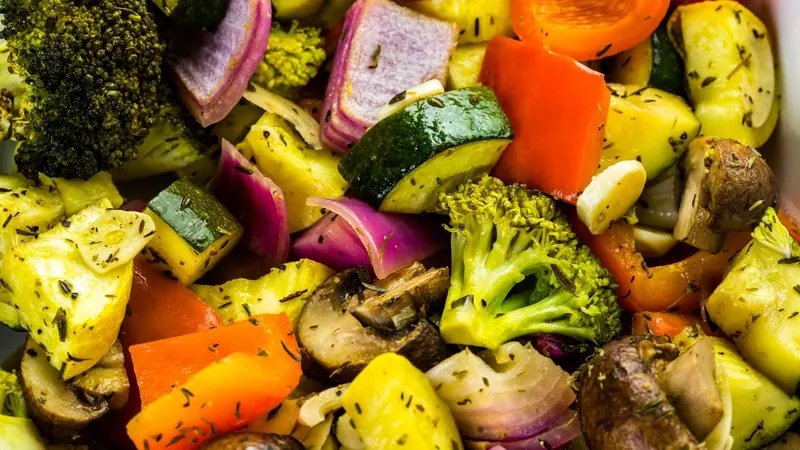
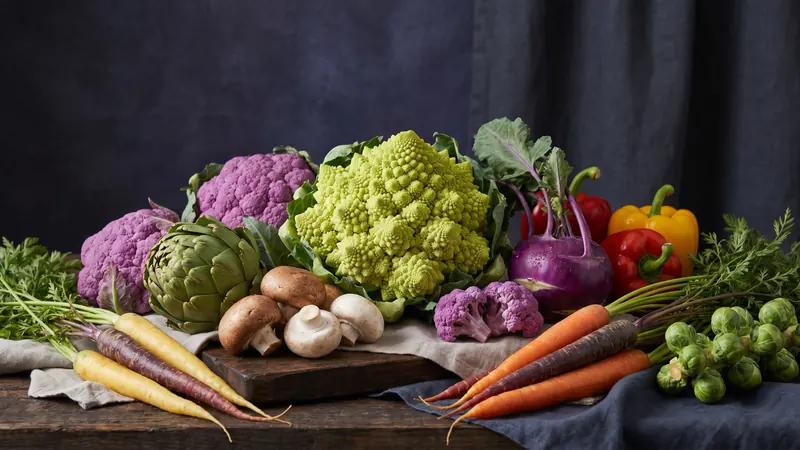
If fiber makes you picture a box of bran flakes, you’re picturing a very small corner of a very big, very tasty world. Fiber is in the buttery popcorn on movie night, the raspberries that leave little fingers pink, the crisp apple in the lunchbox, the black beans melting into a cheesy quesadilla and the warm bowl of oatmeal on a cold morning. If it grew as a plant, from a pear to a pea to a kernel of corn, it came with fiber.12
Here’s where fiber gets surprising. It’s the part of a plant your body can’t break down.1 Your stomach and small intestine take what they can from a bite of pear, and the fiber rides on through, mostly untouched, to the large intestine.3 Waiting there are trillions of bacteria, a whole community living inside your gut, and to them, fiber is dinner.43
Your gut also stays in close touch with your brain. Your digestive tract is lined with more than 100 million nerve cells, a network scientists nicknamed the “second brain,” and it trades signals with the brain in your head all day long. It’s a big part of why nerves can feel like butterflies in your stomach.5 Researchers are now looking at what that connection means for mood, and one pattern in kids keeps showing up: in studies of children and teens, the ones who ate more fiber were less likely to show signs of depression. Scientists can’t yet say the fiber itself is the reason, and better studies are still needed,6 but it’s one more reason to keep plants on the plate.
Fiber comes in two kinds, and they do different jobs. Soluble fiber dissolves in water and turns into a soft gel as it moves through. That gel slows digestion, which helps you feel full longer, and it can help keep blood sugar steadier after a meal and lower LDL (“bad”) cholesterol.37 Oats, barley, beans, lentils, apples and berries are full of it.27 Insoluble fiber doesn’t dissolve. It adds bulk and helps food move through the intestines more quickly, and it’s in whole wheat, bran, whole grains and vegetables. Most plant foods carry some of both, which is why a mix of plants on the table does more than any single one.2
Those two kinds are also why fiber is the first thing anyone suggests when a child is constipated. The gel from soluble fiber keeps stool soft, and the bulk from insoluble fiber keeps it moving, so going to the bathroom gets easier.72 Both need water to do their job, so the glass at dinner matters right alongside the pear.8
So where does a family find all this fiber? Mostly in foods that already taste good. Start at the fruit bowl: a cup of juicy raspberries has about 8 grams, a sweet pear eaten skin and all has about 5.5, and a crisp apple with its peel has about 4.4.9 Leave the peels on apples, pears, potatoes and carrots, and the peeler gets a night off.12
Open the freezer and the pantry next. Half a cup of bright, sweet peas has about 3.6 grams. Half a cup of black beans, the kind that go creamy in a pot of chili or melt into a cheesy quesadilla, has about 7.5 (more on those in black bean health benefits). Even the wrap counts: a warm whole-wheat tortilla has about 4 grams, more than three times a regular flour one.9
The biggest surprise might be sitting in the snack cupboard. That big, buttery bowl of popcorn on movie night is a whole grain, the same as oatmeal and brown rice,3 and three fluffy cups bring about 3.5 grams of fiber.9 (Popcorn is for ages 4 and up, since younger kids can choke on it.10)
No wonder fiber is having a moment. “Fibermaxxing” has been all over TikTok: people loading their plates with high-fiber foods and chasing a daily fiber goal.11 The family version is easy. Add one fiber-rich food to each meal, build up a little more each week, and keep a glass of water alongside.1 Which brings up the question everyone asks next: how much is enough?
How much fiber do kids need?
Ask three websites how much fiber your kid needs and you’ll get three different answers. For a 5-year-old, one says about 10 grams, another says 10 to 15, and a government table says 17 to 20.12113 So which one is correct?
The surprising answer is that all three are, because each one answers a different question. The American Academy of Pediatrics’ “add 5 to their age” rule is the floor: a 1995 review called it a reasonable minimum for kids over 3, easy to remember and never higher than the other numbers.1214 The government’s table is the full daily goal, worked out from 14 grams of fiber for every 1,000 calories for ages 2 and up, so it climbs as kids grow and eat more.13 Some sites give one bigger figure for every toddler, 19 grams, which is the government’s goal for 1-year-olds.113 The table below shows the fuller goal for everyone at the table. If you’d rather not count at all, the American Academy of Pediatrics has a rule for that too.
To make the grams easier to picture, each goal is shown next to the fiber in medium pears (about 5.5 grams each).9 Nobody needs to eat this many pears. It’s a way to see the size of the number.
| Who’s eating | Fiber goal per day | About as much fiber as |
|---|---|---|
| Toddlers, 1 to 3 | 14 to 19 grams | 2½ to 3½ pears |
| Kids 4 to 8 | 17 grams (girls), 20 grams (boys) | 3 to 3½ pears |
| Kids 9 to 13 | 22 grams (girls), 25 grams (boys) | 4 to 4½ pears |
| Teens 14 to 18 | 25 grams (girls), 31 grams (boys) | 4½ to 5½ pears |
| Adults 19 to 50 | 25 to 28 grams (women), 31 to 34 grams (men) | 4½ to 6 pears |
| Adults 51 and up | 22 grams (women), 28 grams (men) | 4 to 5 pears |
Babies who get breast milk or formula don’t need extra fiber, and there’s no fiber goal for babies under 1.18
If counting grams sounds like a chore, here’s the good news: you don’t have to. The American Academy of Pediatrics’ “Eat 5” rule says that a child eating at least 5 servings of fruits and vegetables a day, along with other good sources of fiber like beans and whole grains, has no real need to count.12
Most families aren’t there yet. U.S. kids eat about 12 to 15 grams of fiber on an average day, and teens get roughly half of their goal.15 Grown-ups aren’t doing much better: more than 90% of women and 97% of men fall short.13 So if your family’s plates come up a little light, you’re in very good company, and the gap is smaller than it sounds. It’s often a few swaps away: a whole-wheat tortilla in place of a flour one, a pear in the lunchbox, a bowl of popcorn on movie night.
What a full day of fiber looks like
So what does a full day of fiber actually look like? Here’s one day for each age at the table, made from food families already buy, with the grams adding up quietly in the background.9
A toddler’s day (14 to 19 grams). The morning starts with a small bowl of warm oatmeal, a teaspoon of ground flax stirred in while it bubbles and half a cup of raspberries mashed into a pink swirl on top. Lunch is a gooey quesadilla on half a whole-wheat tortilla, with black beans mashed right into the melted cheese. Snack time brings thin, sweet slices of a very ripe pear, and at dinner a little pile of bright green peas waits to be chased around the plate with a spoon. That’s about 17 grams.
Ages 4 to 8 (17 to 20 grams). Breakfast is a slice of crunchy whole-wheat toast and a sweet banana. The lunchbox opens to creamy hummus with carrot sticks for dipping and a crisp apple, peel and all. After school a big bowl of popcorn comes out for movie time, and dinner is whole-wheat pasta twirled in red sauce with tender broccoli tossed through. About 23 grams, past the goal without a single bran flake.
Ages 9 to 13 (22 to 25 grams). Toast gets a thick layer of peanut butter, with a cup of juicy strawberries alongside. Lunch is a whole-wheat wrap spread with hummus and stuffed with crunchy vegetables, and an apple rides home in the backpack. Dinner is a steaming bowl of chili, thick with pinto beans and sweet corn. About 28 grams, with room to spare.
Teens (25 to 31 grams). A big bowl of oatmeal topped with blueberries and a tablespoon of ground flax fuels the morning. Lunch is a burrito stuffed with black beans and creamy avocado. Before practice, an orange and a bowl of popcorn. Dinner is a fluffy baked potato, skin and all, with a pat of butter and a scoop of peas on the side. About 35.5 grams, enough for the hungriest teen at the table.
Grown-ups (22 to 34 grams). Cool, creamy yogurt with raspberries and a tablespoon of ground flax. A stacked sandwich on whole-wheat bread with a juicy pear on the side. A handful of almonds to get through the afternoon, and a warm bowl of lentils spooned over brown rice with roasted broccoli for dinner. About 31 grams.
None of these days asks anyone to eat a food they’ve never heard of. They lean on a few easy swaps that work in almost any kitchen:
- Whole grain where it’s easy. Whole-wheat bread, pasta and tortillas carry at least twice the fiber of the white versions.9 If the whole-wheat pasta feels like too big a change, cook half white and half whole wheat in the same pot. A good goal is for at least half of the grains your family eats to be whole grains.12
- Skins on. Apples, pears, potatoes and carrots keep more of their fiber with the peel left on.12
- Beans stirred into what’s already cooking. A scoop of beans in soup, chili, rice or a quesadilla adds fiber without a new recipe.1 A can of beans is also one of the cheapest staples in the store, and our guide to healthy meals on a budget builds whole dinners around them.
- Whole fruit before juice. A medium orange has about 3.1 grams of fiber, and a cup of orange juice has about half a gram.9 For kids over 1, a small glass of juice with a meal can be fine, and the whole fruit is what brings the fiber along.16
- Count the plants at dinner. Go around the table and count every different plant anyone ate today: the oatmeal, the berries, the tomatoes in the sauce, the beans in the chili, the spinach blended into a smoothie. Different plants bring different fibers, so a climbing count means a wider mix.2
If planning a whole day of meals sounds like one more job, the free Family Mealtime Toolkit maps out a three-day plan for the whole family. When the plant count gets everyone curious, our free Conversation Starters keep the table talking, with kid-friendly questions about where dinner came from.
The spoonful of flax
If one food makes extra fiber almost effortless, it’s ground flax, a spoonful that disappears into foods you already make. A tablespoon of ground flaxseed has about 2 grams of fiber,17 and its mild taste is easy to miss in a bowl of oatmeal.1
Buy it ground, or grind whole seeds at home in a coffee grinder. Whole flaxseeds can pass through the body without being digested, so the grinding is what lets the body use what’s inside.17 Once it’s ground, keep it in the fridge so it stays fresh.
Here’s where a spoonful fits:
- Breakfast: stirred into oatmeal while it cooks,1 or into pancake and waffle batter.
- Baking: mixed into muffins, banana bread and cookies.17
- Dinner: worked into meatballs or burgers, or mixed into the breading for baked chicken.
- For older kids and grown-ups: stirred into a cup of yogurt117 or a smoothie.
One small habit for the littlest eaters: cook or bake the flax in. Sprinkled on top, it shows up as little brown flecks, and a favorite that suddenly looks different can bring a few questions to the table. Stirred into oatmeal while it cooks, or baked into pancakes and muffins, it blends right in, and the extra fiber comes along without anyone asking why breakfast looks different. Start with a teaspoon and work up slowly. A lot of new fiber at once can bring gas and bloating, and that usually eases once the gut’s bacteria get used to it.21
Every plant count deserves a soundtrack, and two of the 400-plus kids’ food songs in our NutraBeats catalog were made for exactly this:
Fiber Flex
Plant Power Squad
Questions about fiber for kids
Will fiber help my kid's constipation?
It can help, along with water. Most of the time, kids get constipated from holding it in: they’re busy playing, they don’t like the bathroom at school, or the last one hurt. The longer stool waits, the more water the colon pulls out of it, until it’s hard and dry.18 Fiber from food and plenty to drink help keep it soft and moving, and the American Academy of Pediatrics recommends food over supplements, pointing to fruits many kids enjoy, like kiwi.819 Add fiber a little at a time. See your child’s doctor if constipation lasts more than 2 weeks or doesn’t get better with changes at home, and go right away if it comes with blood in the stool or bleeding from the bottom, bloating, constant belly pain, vomiting or weight loss.18 Laxatives and stool softeners are a conversation for the doctor’s office.19
Are fiber gummies a good idea for kids?
Food comes first. Fiber from food brings other vitamins and nutrients along with it, and the American Academy of Pediatrics and KidsHealth both recommend it over pills and gummies.119 If your pediatrician suggests a fiber supplement, use it as directed, with plenty of water, since fiber supplements without enough water can make constipation worse.119
Does fruit juice count toward fiber?
Not much. Juice leaves most of the fiber behind: a cup of orange juice has about half a gram, while a whole orange has about 3.9 The Dietary Guidelines note that 100% juice is lower in fiber than whole fruit, and the American Academy of Pediatrics favors whole fruit for kids over 12 months.1316
Can a toddler get too much fiber?
It’s possible, mostly because small stomachs fill up fast. Fiber is filling, and a pediatric review that looked at fiber for kids noted that very high amounts call for keeping an eye on whether children are still getting enough calories to grow.14 Adding it slowly, offering water and sticking near the goal for their age keeps it comfortable. Your pediatrician can tell you what’s right for your child.
Do babies need fiber?
Babies who get breast milk or formula don’t need extra fiber, and there’s no fiber goal for babies under 1.18 Once solid foods start, fruits, vegetables, beans and whole-grain cereals bring fiber along naturally. If your baby seems constipated, ask your pediatrician before making changes.8
Is white bread a problem if my kid prefers it to whole wheat?
No food has to be all or nothing. A slice of whole-wheat bread has about 1.9 grams of fiber and a slice of white about 0.8,9 so the difference adds up over a week, and there are other easy ways to close it: whole-wheat tortillas, popcorn, oatmeal, or half-and-half pasta. A good goal is for at least half of the grains your family eats to be whole.12
Is popcorn OK for toddlers?
Popcorn is on the American Academy of Pediatrics’ list of choking risks, along with whole nuts and seeds and raw carrot sticks, and it suggests keeping those foods from children until at least age 4, depending on the child.10 For younger kids, oatmeal, mashed beans, thin slices of very ripe pear and mashed or quartered berries bring plenty of fiber with much less risk.
Is flaxseed safe for kids?
In everyday amounts in food, it’s a common, widely used ingredient. Flax naturally contains compounds that can release small amounts of cyanide, especially once it’s ground, and heat slows the plant enzyme that releases it.20 Australia and New Zealand’s food safety agency found no clinical reports of poisonings from flax, and volunteers who ate 100 grams of ground flax had no detectable cyanide in their blood.21 Europe’s food safety agency did flag ground flax for young children in a worst-case estimate,20 so for the littlest eaters, cooking or baking it in is our easy habit.
How do I know if my kid is getting enough fiber?
Start with the plate: at least 5 servings of fruits and vegetables a day, plus beans and whole grains, means there’s no need to count grams, by the American Academy of Pediatrics’ “Eat 5” rule.12 The bathroom gives clues too. Fewer than two bowel movements a week, or stools that are hard, dry or painful to pass, are signs of constipation, and more fiber and water are often part of the answer.188 Your pediatrician can answer anything beyond that.
Feeding everyone at the table
Getting enough fiber doesn’t take a calculator or a single bran flake. Start with one swap this week: whole-grain pasta under Tuesday’s sauce, the peel left on the apples, a scoop of beans stirred into the soup. Add a little more each week, keep the water glasses full, and watch the plant count climb. By next month, the popcorn bowl on movie night is just one more delicious way your family is feeding itself and the bacteria inside. That curiosity about what’s on the plate is what NutraPlanet is built on. Put on “Fiber Flex” or “Plant Power Squad” while you count the plants. Then, when the family is ready for more, our free Gazette issue turns a single food into a comic, a story and a few songs, and the Gazette library holds every one of the 11 issues we’ve made.
Every family is different, so if you have questions about what you or your kids should eat, your pediatrician or a registered dietitian is the best person to ask.
Footnotes
-
Nemours KidsHealth: Fiber for Kids & Teens ↩ ↩2 ↩3 ↩4 ↩5 ↩6 ↩7 ↩8 ↩9 ↩10 ↩11 ↩12 ↩13 ↩14 ↩15 ↩16
-
FDA Interactive Nutrition Facts Label: Dietary Fiber ↩ ↩2 ↩3 ↩4
-
Yang and colleagues 2024: Dietary fibre and mental health in children and adolescents ↩
-
Harvard T.H. Chan School of Public Health, The Nutrition Source: Fiber ↩ ↩2 ↩3
-
NIDDK: Eating, Diet, & Nutrition for Constipation in Children ↩ ↩2 ↩3 ↩4 ↩5 ↩6
-
American Academy of Pediatrics, HealthyChildren.org: Choking Prevention ↩ ↩2
-
American Academy of Pediatrics, HealthyChildren.org: Fiber for Kids ↩ ↩2 ↩3 ↩4 ↩5 ↩6
-
USDA ARS: What We Eat in America, NHANES 2017-March 2020, Table 1 ↩
-
American Academy of Pediatrics, HealthyChildren.org: Where We Stand: Fruit Juice ↩ ↩2
-
Mayo Clinic: Flaxseed: Is ground better than whole? ↩ ↩2 ↩3 ↩4
-
NIDDK: Symptoms & Causes of Constipation in Children ↩ ↩2 ↩3
-
American Academy of Pediatrics, HealthyChildren.org: Constipation in Children ↩ ↩2 ↩3 ↩4
-
European Food Safety Authority 2019: Cyanogenic glycosides in foods other than raw apricot kernels ↩ ↩2
-
Food Standards Australia New Zealand: Survey of cyanogenic glycosides in plant-based foods ↩