Healthy, cheap, tasty, easy: most weeks it feels like you only get to pick two. You start the week with spinach, chicken and the vegetables you meant to roast. By Thursday the spinach has gone limp, nobody has the energy to cook, and the drive-thru has won most nights. It’s easy to decide healthy eating is for people with bigger budgets. Here’s the surprise: the dinners that fill a family up and bring everyone back for seconds tend to come from the cheapest corner of the store, and they’re easier than anything in your feed.
Quick answer: Healthy meals on a budget start with a few cheap, filling staples that each make several dinners: beans, lentils, eggs, rice, potatoes and frozen vegetables. Serving for serving, rice, potatoes and vegetables usually cost less than foods loaded with sugar, salt or fat, like soda. Pair a protein with a high-fiber food, as in chili, lentil soup or egg fried rice, and dinner helps keep everyone full. A shopping list and a plan for leftovers keep the food you buy out of the trash.
Jump to: six staples, eighteen dinners
Healthy meals on a budget: is good food really the expensive kind?
Stand in the checkout line with a cart of vegetables, chicken and fresh fruit, and the total can make healthy eating feel like a luxury. Meanwhile the chips, cookies and two-liter sodas sit at the end of the aisle looking like the deal of the week. Nobody would blame you for doing that math and deciding the healthy cart is the expensive one.
That math leaves out how food actually gets eaten, though. Think about a bag of chips on a movie night. You can work your way through the whole bag and still have room for dessert. Now think about two black bean quesadillas, crisp on the outside, with beans and melted cheese inside. You’re usually done after two, and you stay full for the rest of the evening.
So the price on the bag only tells half the story. What counts is what it costs to fill everyone up. A dollar of chips buys plenty of calories but not much of a meal, while one can of beans, a pack of tortillas and some cheese make dinner for the whole table. Serving for serving, the way families actually eat, fruits, vegetables, grains and dairy usually cost less than foods loaded with sugar, salt or fat, like soda.1 Which raises a fair question: why can you keep eating chips, when two quesadillas fill you right up?
A lot of it comes down to what’s inside. Chips, cookies and soda are full of what nutrition experts call empty calories: calories from added sugar and fat that bring few or no nutrients with them, and little of the protein or fiber that makes food filling. They go down fast and don’t give your body much to work on, so hunger comes back quickly, and the bag gets opened again.
Protein, fiber and water work the other way. Fiber and water add bulk, so a bowl of beans takes up real room, and fiber takes its time moving through. Protein is slow to digest too. That’s why foods with more protein, fiber and water keep people fuller longer.23 Beans bring protein and fiber together in one cheap can.4 So a pot of bean chili does more than taste good on a cold night. It keeps everyone happily full long after the bowls are cleared.
Filling everyone up turns out to be the easy part. The real trick is making a cheap dinner taste so good that everyone comes back for seconds.
What turns cheap food into a dinner worth seconds
Think about the dinners your family goes back for: the pot of chili on a cold night, the fried rice that tastes like takeout, the soup somebody asks about the next day. None of them need a long list of pricey ingredients. Look closely and most are built the same way: a filling base, a protein, a vegetable or two, and one big flavor that ties it together.
That shape is a big part of what makes a cheap dinner a healthy one. Each part brings its own thing to the bowl, so the meal as a whole covers more ground than any single ingredient could. The protein and fiber help keep everyone full, the vegetables add color and crunch, and the flavor is the reason people come back to the pot. Here’s how five of the dinners in the staple cards break down, one dinner per row:
| The dinner | A filling base | A protein | A vegetable | A big flavor |
|---|---|---|---|---|
| Vegetable fried rice | Rice | Eggs | Carrot, red pepper and peas | Soy sauce, garlic and ginger |
| Black bean quesadillas | Flour tortillas | Black beans and cheddar | Corn and red onion | Taco seasoning and cilantro |
| Lentil bolognese | Pasta | Red lentils | Onion, carrot and celery | Tomatoes, garlic and oregano |
| Smoky potato chickpea stew | Potatoes | Chickpeas | Kale and fire-roasted tomatoes | Curry powder and smoked paprika |
| Honey mustard chicken and veggies | Red potatoes | Chicken thighs | Green beans, carrots and red onion | Honey mustard |
Each row is one whole dinner, and every one has its full recipe in the staple cards. Once you know the shape, you’ll start seeing it everywhere, and the fried rice and the stir-fry are happy to take whatever vegetables are already in your fridge.56
Flavor is the cheapest upgrade in the kitchen. A spoonful of chili powder, a few cloves of garlic or a splash of soy sauce costs very little. Each one turns the same pot of beans into a different dinner from one night to the next. If a finished pot tastes fine but a little flat, a squeeze of lemon or lime often wakes it up; here’s how a little acid makes food taste better.
The same dinner can also be served a little differently for each age. A toddler can have the beans mashed soft with a little cheese, and a school-age kid can build their own quesadilla. A teen can pile on the hot sauce, and the grown-ups get a bowl they actually look forward to. For a head start, three nights of family dinners are already planned for you in our free Family Mealtime Toolkit.
All of that only helps if the groceries are still good by the time you get around to cooking them.
The groceries that never make it to dinner
Almost every fridge has one: the bag of spinach you meant to use on Tuesday, the half onion, the container of rice nobody remembers making. You paid for every one of them. The average household throws away almost a third of the food it brings home.7 Picture carrying the groceries in from the car and dropping almost every third bag straight into the trash can. You’d never do that on purpose, yet it’s close to what happens in a lot of kitchens, one limp bag of spinach at a time. For a family of four, wasted food costs about $56 a week, close to $3,000 a year.8 That’s almost three months of groceries on USDA’s thrifty food plan, which puts two parents and two school-age kids at about $1,024 a month.9
Most of it was bought with good intentions and no plan. Think of the family-size pack that was on sale, the vegetable for a recipe that never happened, and the leftovers nobody was in the mood for. Two things make a real difference. Households that shop with a list waste less, and bigger households waste less, because with more people at the table, the leftovers are more likely to get eaten.7 You can borrow that second trick at any size by buying staples that each have several jobs, so nothing in the cart is waiting on a single recipe.
Four habits make sure everything in the cart already has a dinner waiting for it:
- Shop the fridge first. Look at what’s already there and plan the first dinner around it.
- Give every item two or three dinners before it goes in the cart, so it gets put to good use more than once.10 If you can only think of one, buy less of it.
- Check the unit price on the shelf tag to compare brands and sizes,11 then buy the size your household will actually finish.
- Write the list from the dinners, staples and fresh food together, and buy only what’s on it.11
The easiest way to give every item several jobs is to build the list around a few staples that each turn into three very different dinners.
Six staples, eighteen dinners
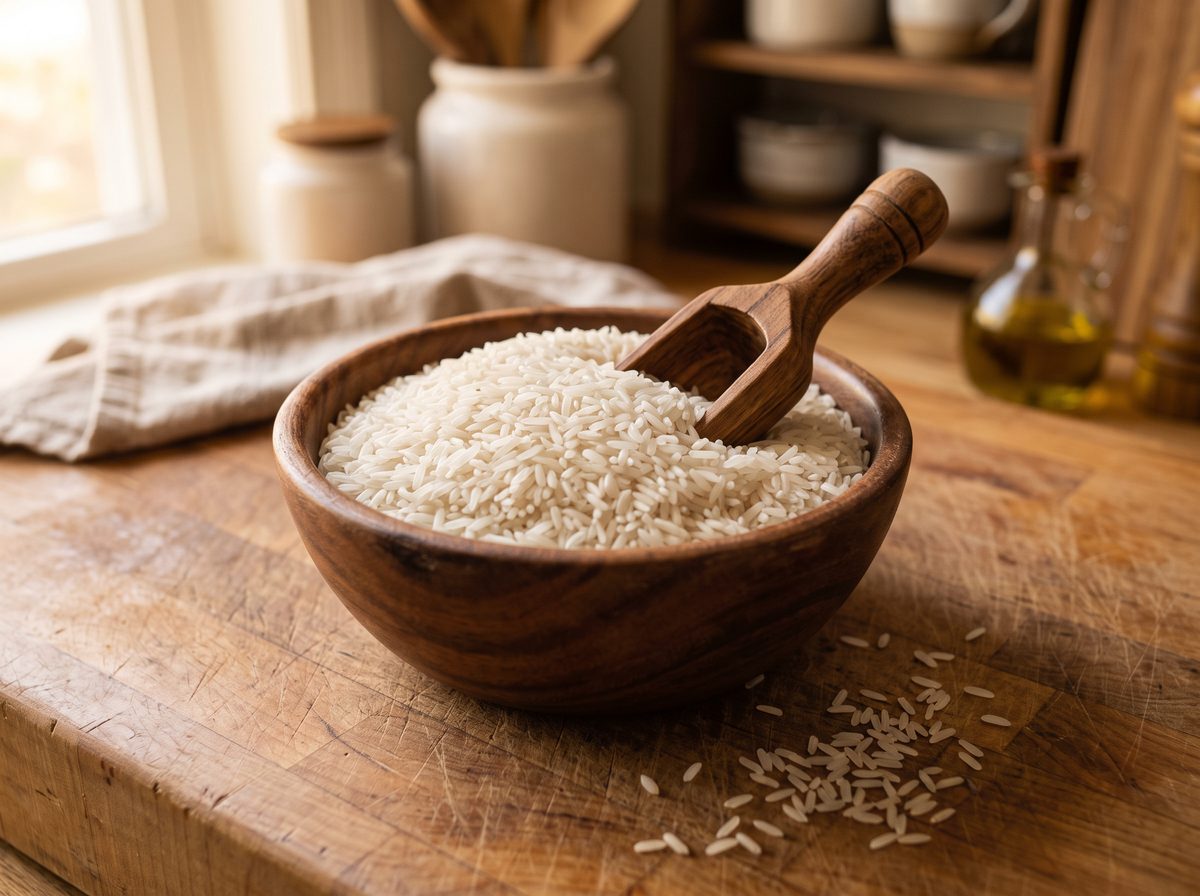
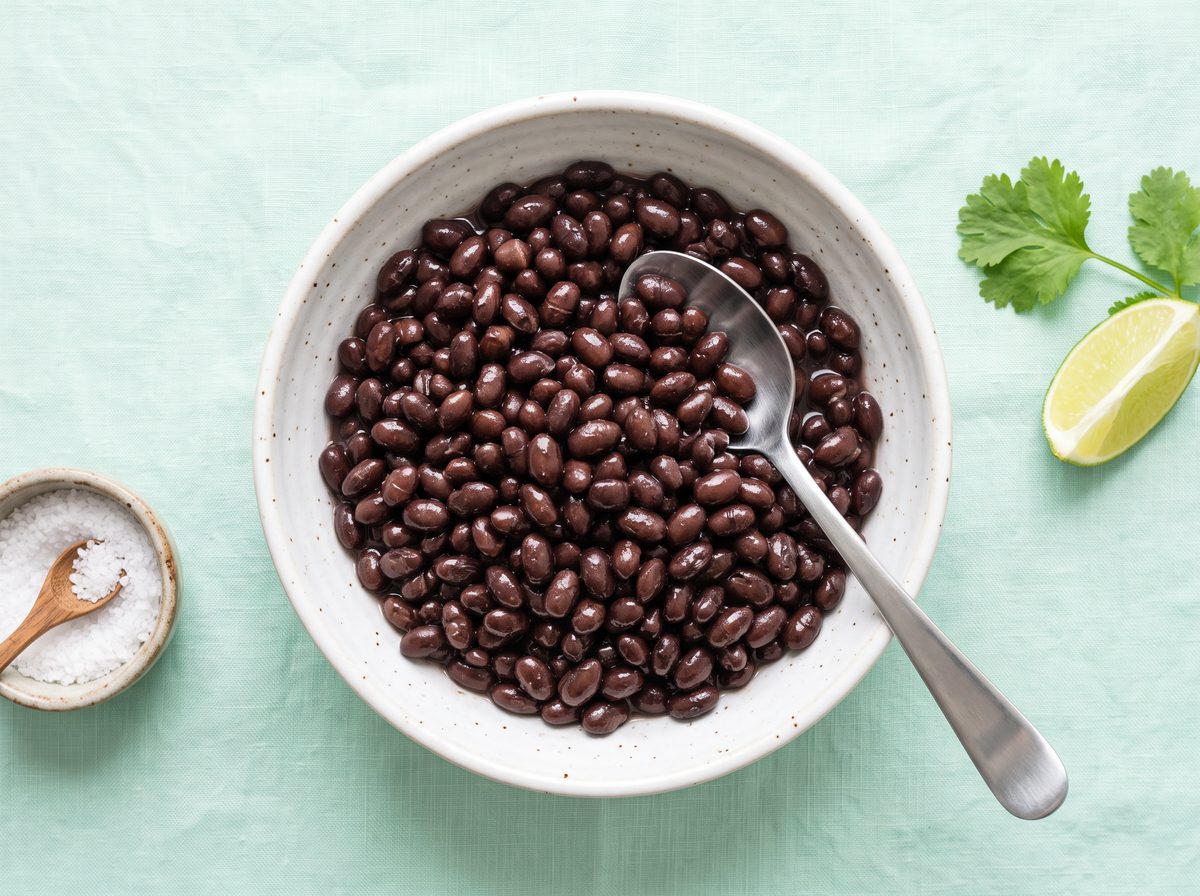
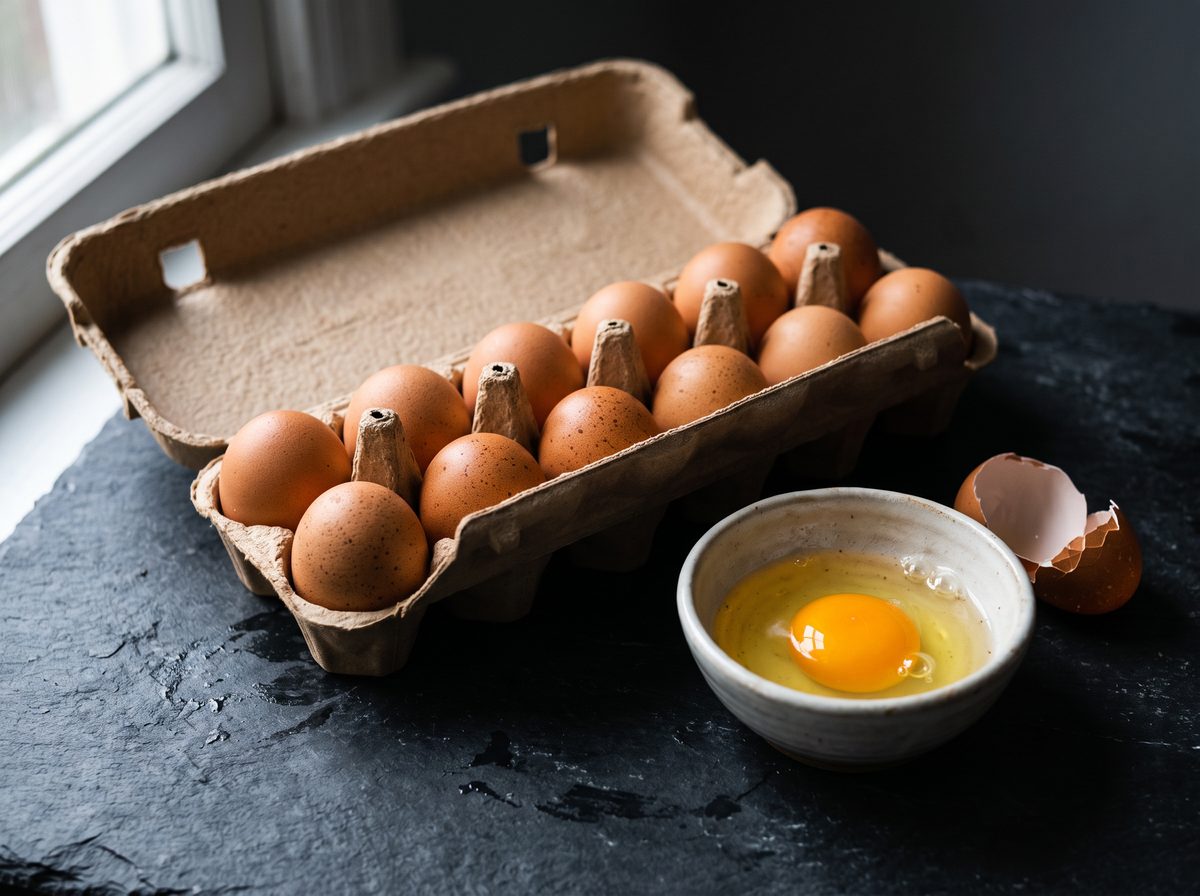
Each of these costs little and keeps for a while. Pick the two your family already likes and start there.
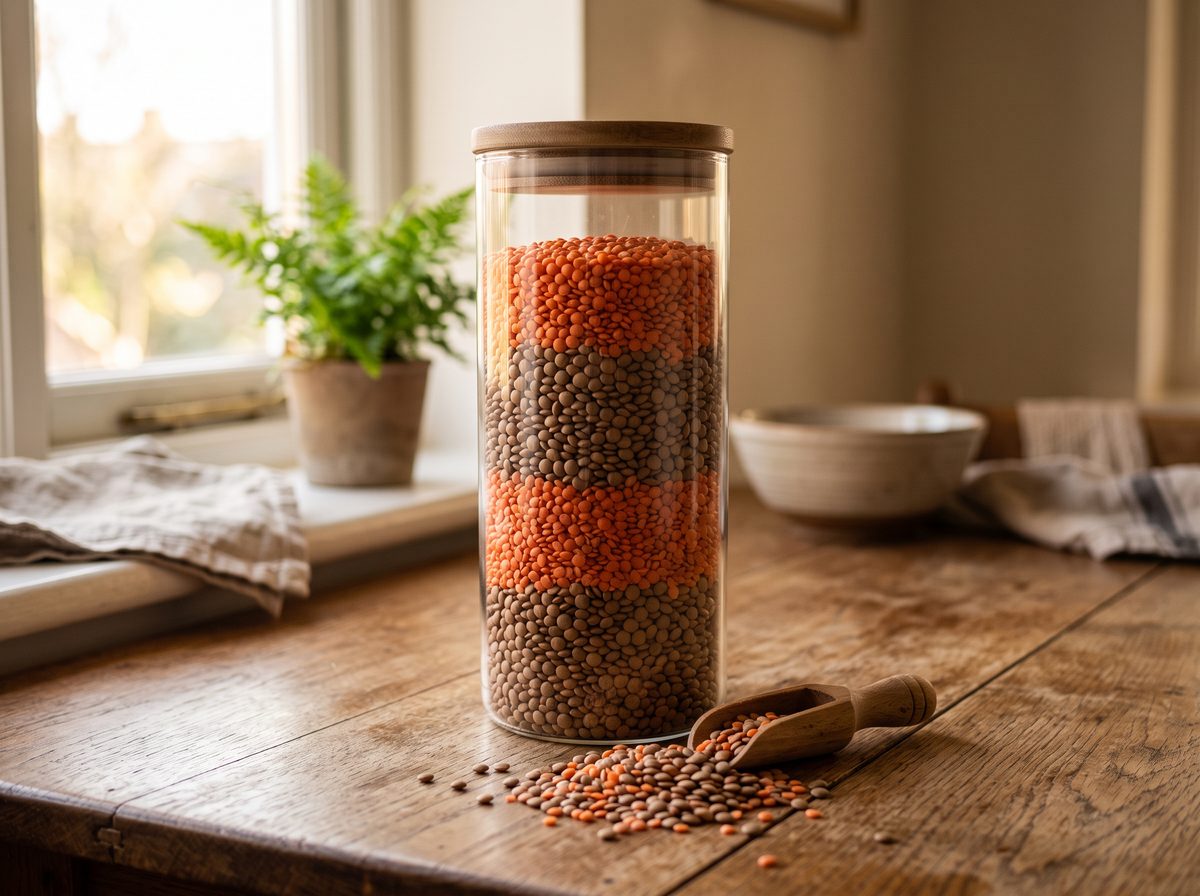 A bag of lentilsSee the dinners
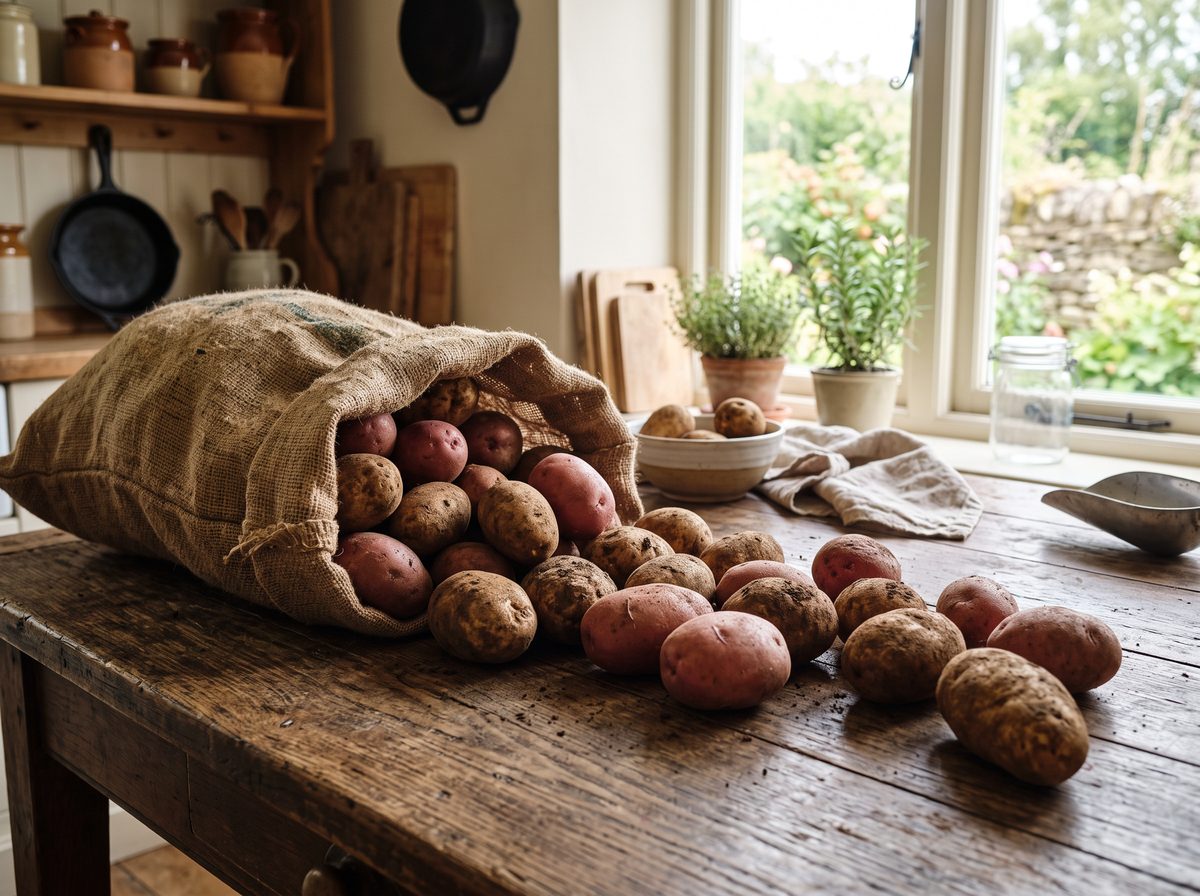 A sack of potatoesSee the dinners
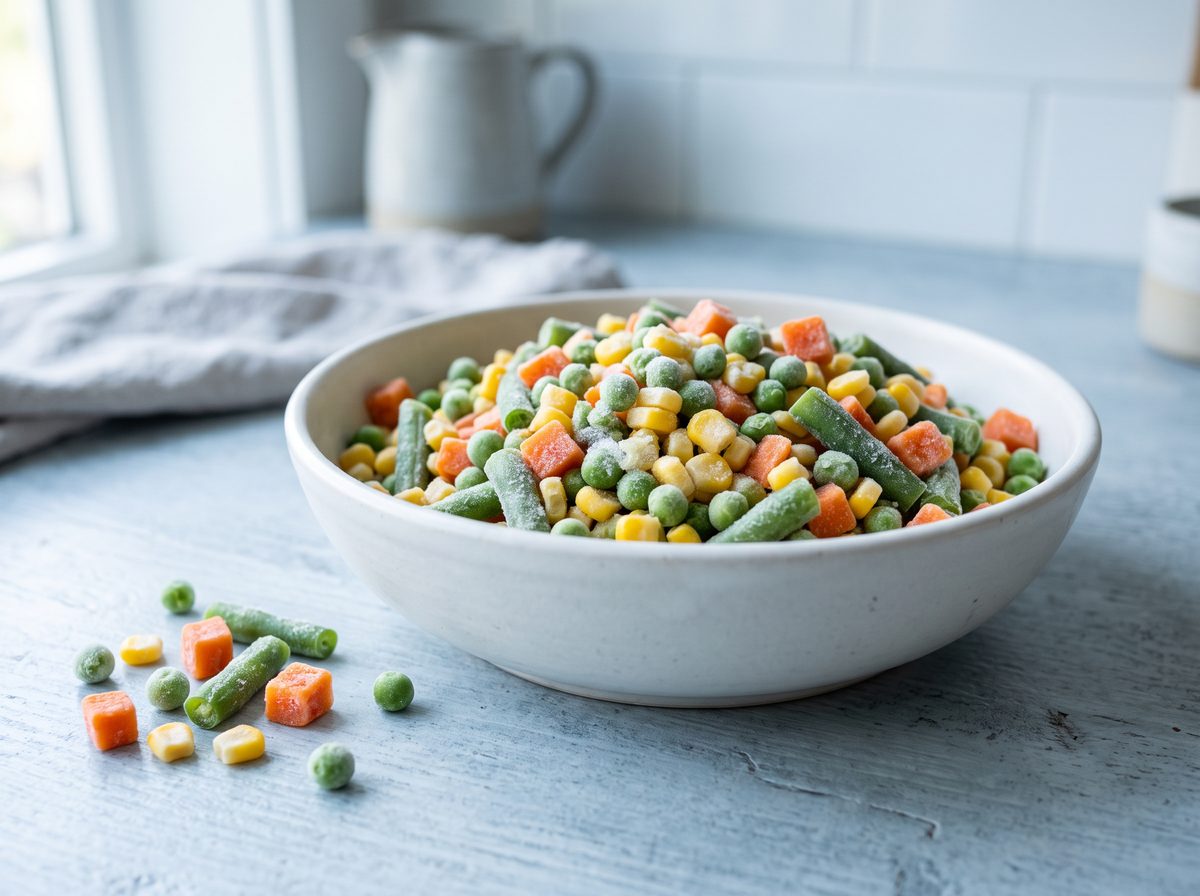 A bag of frozen vegetablesSee the dinners
Dinner on the nights you’re running on empty
Even with a pantry full of staples, some nights the plan falls apart at 5:30, and that’s exactly when the drive-thru starts to look like the easy answer. The fix is to start Wednesday’s dinner on Sunday, while you’re already cooking. One pot of rice can carry you through half the week, and each night it shows up as a new dinner:135
To keep that rice safe, spread it in shallow containers so it cools fast and get it in the fridge within 2 hours of cooking. Plan to eat the leftovers within 3 to 4 days, or freeze them and use them within 3 to 4 months for the best taste, and reheat to 165°F.31 Freezing a second container of chili or soup turns a future 5:30 night into a reheat.
Frozen and canned vegetables are the other shortcut. They can be as healthy as fresh,28 and they wait patiently in the freezer or pantry until the night you need them. A quick look at the label helps you pick the ones lower in sodium and added sugar.28
Many hands make the 5:30 rush shorter, too. A toddler can rinse the canned beans in a colander, and a school-age kid can crack the eggs or measure the rice. A teen can run the skillet while you set the table. When you want a few nights planned out for you, the Family Mealtime Toolkit is free.
Questions about healthy meals on a budget
How much should a family of four spend on groceries?
There’s no single right number, because it depends on your family’s ages, where you live and how much you cook. For a starting point, USDA’s thrifty food plan, the lowest-cost of its four sample budgets for eating healthy at home, put a family of two adults and two school-age kids at about $236 a week, or $1,024 a month, in September 2026.9 That plan assumes every meal and snack is made at home, and USDA suggests adjusting it up for smaller households and down for bigger ones.9
What are the cheapest healthy foods to keep on hand?
The ones that store well and work in lots of dinners. Whole grains, canned or dried beans and frozen vegetables keep for a long time,11 and beans and canned or frozen vegetables bulk up a meal with extra fiber and vitamins.11 Add eggs, lentils and potatoes and you have the six staples in the cards, each good for at least three very different dinners.
Is cooking at home really cheaper than takeout?
Generally, yes. Food bought away from home usually costs more than food made at home, because restaurants also pay for the workers who cook and serve it, plus the building, equipment and utilities.32 In 2023, labor alone made up about 64 cents of every dollar spent on meals eaten out.33 At home, you’re the cook, so more of your grocery money goes to the food itself.
How do I get my family to actually eat the leftovers?
Turn them into a different dinner instead of serving the same plate twice. Plan for it when you cook, and mix the leftovers with pantry staples like pasta, rice, beans and spices so the meal feels new.10 Monday’s burrito bowls and Wednesday’s fried rice can come from the same Sunday pot of rice, and a pot of soup or chili can go in the freezer for a night when nobody wants to cook.31
Are frozen and canned vegetables as healthy as fresh?
They can be. Frozen and canned options can be as healthy as fresh; the label helps you pick the ones lower in sodium, saturated fat and added sugars.28 They keep much longer, too, which means fewer of them end up in the trash.28
Is buying in bulk always cheaper?
Only when you finish it. The unit price on the shelf tag tells you which size costs less per ounce or pound.11 A bigger bag that goes bad halfway through still costs more than the small one you used up. Foods that store well, like whole grains, canned or dried beans and frozen vegetables, are the safest things to buy big.11
Can beans replace meat in a family dinner?
In plenty of dinners, yes. Beans and other legumes are a source of plant protein and are high in fiber and minerals,4 which is why chili, quesadillas and black bean soup feel like a full meal. You can also go halfway: a can of beans stirred into a meat dish bulks it up and makes it go farther.11
How long do leftovers last?
Divide warm leftovers into shallow containers so they cool quickly, and get them into the fridge within 2 hours of cooking. Eat them within 3 to 4 days, or freeze them and use them within 3 to 4 months for the best taste, and reheat to 165°F.31
The cheapest dinner in the house
Eating well on a tight budget comes down to a few hard-working staples and everything they can become: a can of black beans blended into a thick, smoky soup, a bag of rice that ends the week sizzling in a skillet with eggs and peas, a dozen eggs baked into golden little muffins, a sack of potatoes split open and loaded like nachos. Pick two dinners from the cards, write the list, and let Sunday’s pot of rice turn into Wednesday’s fried rice. Picture Friday night: the chili pot scraped clean, somebody asking when the nacho taters are coming back, and nothing slimy in the crisper drawer. The cheapest dinner in the house is the one that gets eaten. When you want more help planning, our free Family Mealtime Toolkit hands you three days of planned dinners, and the Gazette library holds all 11 finished issues plus a 7-Day Family Meal Plan. Start with a free issue, where a single food gets a comic, a story and songs of its own.
Every family is different, so if you have questions about what you or your kids should eat, your pediatrician or a registered dietitian is the best person to ask.
Footnotes
-
USDA Economic Research Service: Healthy Foods Not Necessarily More Expensive Than Less Healthy Foods ↩
-
Holt SH et al. A satiety index of common foods. Eur J Clin Nutr. 1995 ↩
-
Dhillon J et al. The Effects of Increased Protein Intake on Fullness. J Acad Nutr Diet. 2016 ↩
-
American Heart Association: The Benefits of Beans and Legumes ↩ ↩2
-
Penn State via ScienceDaily: US households waste nearly a third of the food they acquire ↩ ↩2
-
U.S. EPA: Estimating the Cost of Food Waste to American Consumers ↩
-
USDA MyPlate: MyPlate Planning for Savings, Leftovers Edition ↩ ↩2
-
USDA MyPlate: Planning for Healthy Eating and Savings, Fruits and Veggies Edition ↩ ↩2 ↩3 ↩4 ↩5
-
USDA Economic Research Service: U.S. spending on food away from home higher than on food at home in 2014 ↩
-
USDA Economic Research Service: Labor costs and the food dollar (2023) ↩